


When the Engines Stop: A Nation at a Crossroads

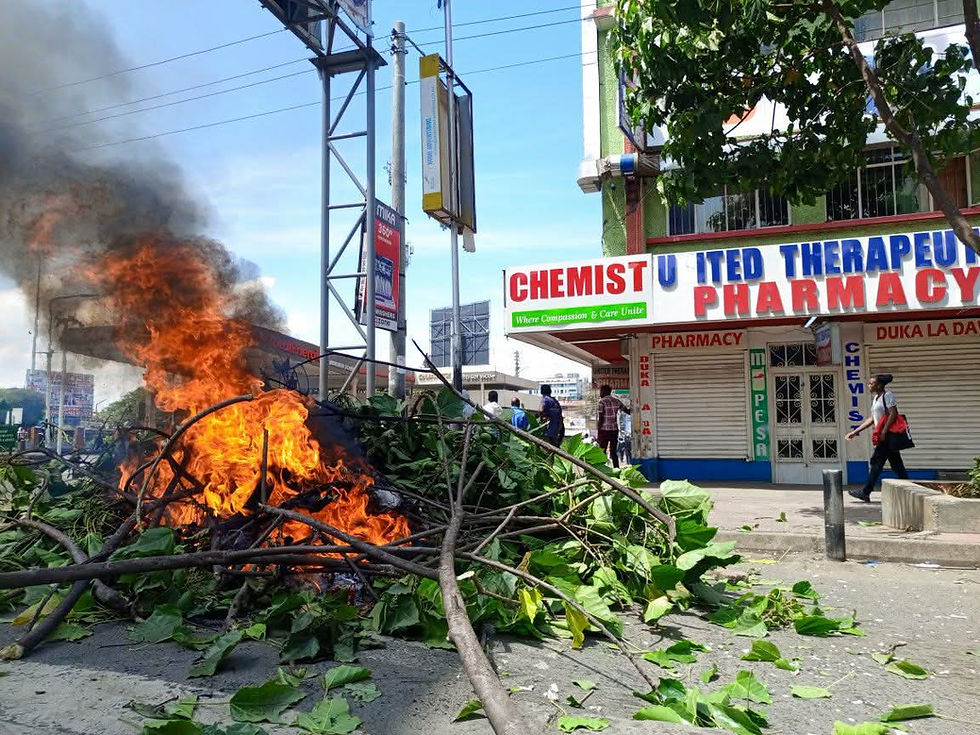
Today’s industrial action is more than just a protest about fuel prices. It is a national signal that many Kenyans feel economically cornered. The decision by transport operators, private motorists, boda boda riders, and taxi associations to park vehicles shows how deeply the rising cost of living has penetrated everyday life.
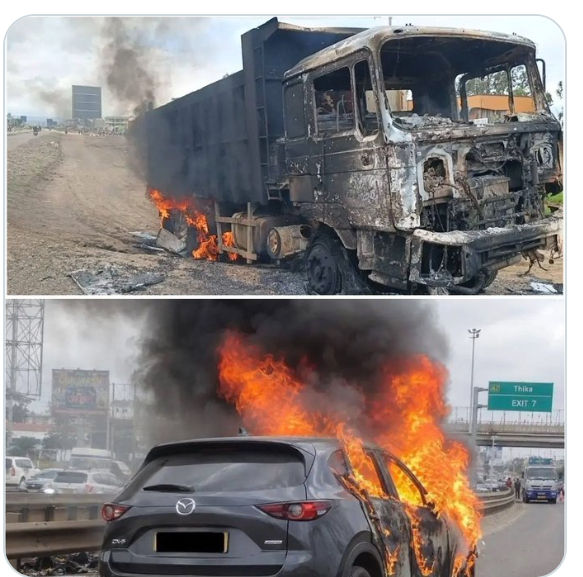
Kenya now finds itself at a difficult crossroads. On one hand, the government argues that global oil market instability, especially linked to tensions in the Middle East, has pushed fuel prices upward beyond its full control. Reuters reports that fuel prices in Nairobi have risen sharply, with diesel and petrol reaching record levels. On the other hand, ordinary citizens are asking a valid question: if incomes remain stagnant while fuel, food, rent, school fees, and transport keep rising, how long can households survive?
The strike exposes three uncomfortable truths about our country.
First, Kenya remains heavily dependent on fuel-driven transport and imported energy. Once fuel prices rise, everything else follows — food distribution, public transport fares, business operations, and even healthcare access. A matatu strike instantly paralyses economic activity because transport is the bloodstream of the Kenyan economy.
Second, there is a widening trust gap between citizens and leadership. Many Kenyans no longer see economic pain as temporary sacrifice for future prosperity; instead, they feel excluded from the benefits of growth. When protests erupt nationwide and businesses shut down, it reflects frustration not only with prices, but with governance, accountability, and public participation.
Third, this moment challenges Kenya’s long-term development model. We cannot continue building an economy where millions depend on unstable global fuel markets without serious investment in alternatives like efficient public transport, electric mobility, rail systems, and local production. Globally, countries are accelerating electric mobility transitions partly to reduce fuel vulnerability.
But where do we stand as a nation?
We stand at a point of reckoning.
This crisis can either deepen division and public anger, or become a turning point where Kenya begins serious conversations about economic justice, taxation, corruption, energy independence, and sustainable transport systems. The danger is not only the fuel hike itself — it is the growing feeling among citizens that survival is becoming harder while hope is becoming smaller.
Yet Kenya has historically shown resilience during moments of pressure. The real test now is whether leaders, businesses, and citizens can move beyond blame and push for structural solutions instead of temporary reactions.
Because when an entire transport sector parks vehicles in protest, the message is no longer about fuel alone. It is about the state of the nation itself.


Comments