


Kenya's 'Niko Kadi' Moment, is it a win for the youths yet?

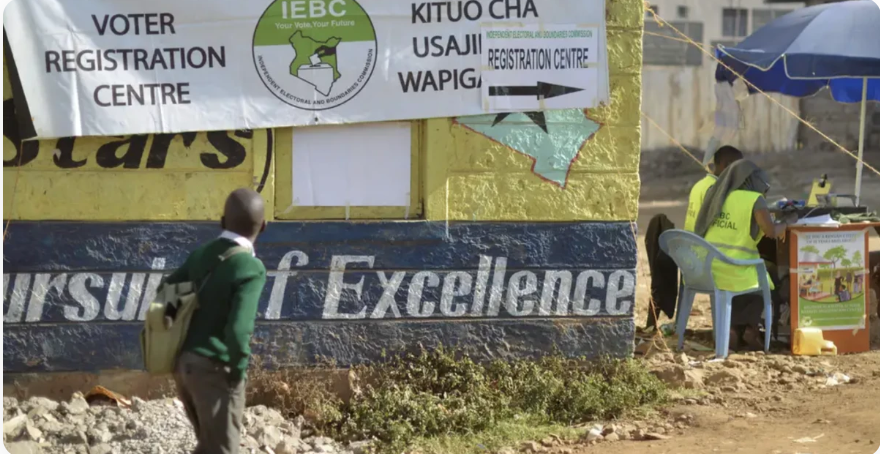
Lately, I’ve found myself paying closer attention to the conversation around youth voter registration in Kenya. It’s hard to miss—the energy online, the campaigns, the urgency in the voices of young people encouraging each other to register. For a long time, the narrative around Kenyan youth was one of apathy, of disengagement from formal politics. But what I’m seeing now feels different. There is a growing political awareness, a willingness to question leadership, and a desire to be part of shaping the country’s future. It’s no longer just about complaints shared in passing conversations or online threads; there’s a visible shift toward civic consciousness, and that, in itself, feels significant.
At the same time, I can’t ignore the tension that exists beneath this momentum. While many young people are vocal and informed, that energy doesn’t always translate into action on the ground. Registration centers are not always as full as the conversations online would suggest. And even beyond registration, the question of actual voter turnout still lingers. There’s a sense of hesitation—sometimes rooted in frustration, sometimes in disillusionment. Many young people have grown up witnessing cycles of promises that rarely materialize, and it has shaped a kind of cautious engagement with the political process. It’s not that they don’t care; if anything, they care deeply. But there’s a lingering question: does participation really lead to change?
I think what we’re witnessing is a generation in transition. The mindset has already shifted—young people are more aware, more expressive, and more connected than ever before. But behavior takes longer to evolve. Moving from awareness to consistent participation requires more than just motivation; it requires trust in systems, belief in impact, and sometimes even a redefinition of what civic engagement looks like. Social media has given young people a powerful voice, but the real test lies in whether that voice can extend beyond the digital space into tangible civic action.
As I reflect on this, I can’t help but feel that Kenya’s youth are standing at a pivotal moment. Their numbers alone make them a powerful force, but it’s their choices that will determine their true influence. If the current momentum around voter registration continues and translates into sustained participation, it could reshape the country’s political landscape in meaningful ways. But if the gap between awareness and action persists, there’s a risk that this energy will remain largely symbolic—loud, visible, but not fully transformative.
For me, this moment feels less like a conclusion and more like a question. What will it take for young people to fully step into their power as voters? And perhaps more importantly, what kind of leadership and systems will be needed to meet them halfway? These are the thoughts I find myself sitting with—because the future of participation in Kenya doesn’t just depend on whether young people show up, but also on whether they believe that showing up truly matters.



Comments